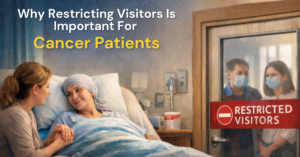
Cancer and the treatments used to fight it can take a heavy toll on the body’s immune system. During this time, patients are often weaker and far less able to fight off infections. Something as minor as a cold or stomach bug can quickly turn into a serious health issue for someone going through chemotherapy or radiation. That’s why restricting visitors for cancer patient care isn’t about being overly cautious—it’s about protecting the patient when their body is most vulnerable.
Limiting visitors doesn’t mean isolating patients from the people they love. In most cases, it’s a temporary but necessary step to reduce exposure to germs and avoid complications that could slow down the recovery process or interrupt the treatment.
Why Cancer Patients Are at Higher Risk of Infection
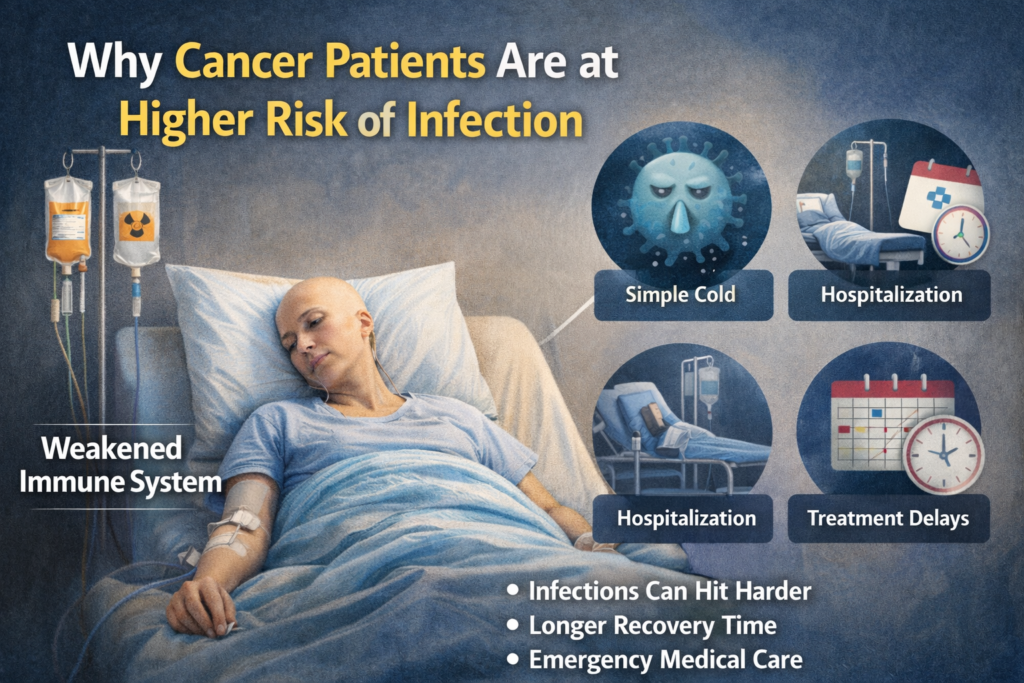
Many cancer treatments lower white blood cell counts, which weakens the body’s natural defenses. When this happens, infections can develop faster, hit harder, and take longer to heal. In some situations, a simple illness can lead to hospitalization or force doctors to delay treatment.
Due to this increased risk, infection prevention becomes a top priority especially in home care settings.
Limiting visitors is one of the simplest and most effective ways to reduce unnecessary exposure.
How Visitor Restrictions Help Protect Cancer Patients
One of the biggest challenges with visitors is that people can carry germs without realizing it. Someone may feel perfectly fine and still pass along bacteria or viruses. For a cancer patient, that hidden risk can have serious consequences.
Restricting visitors helps by:
- Reducing exposure to infections
- Protecting a weakened immune system
- Preventing treatment delays
- Lowering the chance of emergency medical care
These precautions are especially important during active treatment or when immunity is at its lowest.
When Visitor Restrictions Matter the Most
Visitor limits aren’t always permanent, but they are especially important during high-risk periods. This includes times when the patient is receiving chemotherapy, recovering from surgery or procedures, feeling extremely fatigued, or when illnesses are spreading in the community.
Flu season or viral outbreaks make these precautions even more important. During these times, limiting visitors can significantly reduce health risks and provide an extra layer of protection.
Who Should Avoid Visiting
Some visitors pose a higher risk than others, even when their intentions are good. Anyone with symptoms such as a cough, fever, sore throat, or runny nose should postpone their visit. The same applies to people who have recently been exposed to illness, traveled frequently, or attended large gatherings.
Children may also need special consideration, as they can carry infections without showing symptoms. These precautions aren’t about blaming visitors—they’re about keeping the patient safe.
Making Visits Safer When They Can’t Be Avoided
There are situations where visits are necessary or unavoidable. When that happens, a few simple steps can help reduce risk.
Visitors should wash their hands thoroughly, keep visits short, and avoid close physical contact if advised by healthcare providers. Limiting the number of visitors at one time and ensuring good airflow in the room can also help. When recommended, wearing a mask adds an extra layer of protection.
Helping Caregivers Set Boundaries with Confidence
Setting visitor limits can be emotionally difficult for caregivers, especially when family and friends want to help. Clear, kind communication goes a long way. Explaining that restrictions are based on medical advice—and that they’re temporary—often helps prevent misunderstandings.
Encouraging alternatives such as phone calls, video chats, or messages allows loved ones to stay connected while respecting the patient’s safety.
Supporting Emotional Well-Being Without In-Person Visits
Even when physical visits are limited, emotional support is still essential. Regular video calls, scheduled check-ins, and thoughtful messages can help patients feel connected and supported.
Creating a routine around virtual contact can provide comfort and a sense of normalcy during treatment, easing feelings of loneliness or isolation.
Final Thoughts
Restricting visitors for cancer patient care is one of the most effective ways to reduce infection risk and support successful treatment. With thoughtful planning and compassionate communication, caregivers can protect physical health while still nurturing emotional well-being—creating a safer, more supportive environment for recovery.
FAQs
Yes, cancer patients can have visitors, but visits should be limited based on the patient’s immune status and treatment stage. Always follow medical advice and avoid unnecessary exposure.
Cancer treatments weaken the immune system, making it harder to fight infections. Restricting visitors reduces the risk of exposure to germs that could cause serious illness.
Masks may be recommended when immunity is low or during periods of increased infection risk. Healthcare providers can offer guidance based on the patient’s condition.
Visitor restrictions may be temporary and adjusted throughout treatment and recovery. The duration depends on immune function, treatment type, and overall health.
Yes. People without symptoms can still carry and spread germs. This is why even healthy visitors should follow safety guidelines or postpone visits when necessary.
Phone calls, video chats, voice messages, and regular virtual check-ins help maintain emotional support without increasing infection risk.