Managing diabetes at home involves more than medication and regular blood sugar monitoring. Everyday food choices play a critical role in maintaining stable blood glucose levels, and most of those choices begin in the kitchen. A thoughtfully designed diabetic-friendly kitchen helps patients and caregivers make healthier decisions consistently, without added stress or confusion.
When the kitchen environment supports diabetes care, healthy eating becomes part of the daily routine rather than a constant challenge. Simple changes in food availability, organization, and cooking habits can significantly improve long-term blood sugar management at home.
Why a Diabetic-Friendly Kitchen Matters
For individuals living with diabetes, keeping blood sugar levels within a healthy range is essential to reduce the risk of complications. While dietary advice is widely available, following it consistently can be difficult if the home environment does not support healthy choices. A diabetic-friendly kitchen bridges this gap by making safe food options easier to access and unhealthy choices less tempting.
When caregivers organize the kitchen with diabetes in mind, meal preparation becomes simpler and more predictable. This consistency helps reduce sudden blood sugar fluctuations and supports better daily control.
Core Principles of a Diabetic-Friendly Kitchen
A diabetic-friendly kitchen is not about strict food restrictions or eliminating enjoyment from meals. Instead, it focuses on balance, planning, and thoughtful organization. The goal is to create an environment where healthy choices are the easiest choices.
Consistency plays a key role in diabetes care. Having predictable meal options and regular eating patterns helps stabilize blood sugar levels. At the same time, placing healthier foods where they are easily visible encourages better decision-making without relying solely on willpower.
Stocking the Kitchen for Diabetes Care
What you keep in the kitchen directly influences daily eating habits. A healthy kitchen for diabetes management should prioritize whole, minimally processed foods that support steady blood sugar levels. Whole grains, legumes, and fiber-rich foods digest more slowly and help prevent sudden glucose spikes. Lean protein sources such as eggs, fish, and poultry support balanced meals and help control hunger.

Fresh vegetables should make up a large portion of daily meals, while fruits can be included in moderation, focusing on lower-glycemic options. Healthy fats, such as olive oil and nuts, can also be part of a diabetic-friendly kitchen when used in controlled amounts. Stocking these foods consistently makes meal planning easier for both patients and caregivers.
Limiting and Replacing Less Healthy Foods
Creating a diabetic-friendly kitchen does not require banning all favorite foods. Instead, it involves limiting items that can disrupt blood sugar control and replacing them with healthier alternatives. Sugary drinks, refined flour products, and heavily processed snacks should not dominate the kitchen space.
Replacing these items with whole-grain options, homemade snacks, and unsweetened beverages reduces daily sugar intake without making the diet feel overly restrictive. When less healthy foods are stored out of immediate reach, mindful eating becomes easier to maintain.
Organizing the Kitchen to Support Better Choices
Kitchen organization plays an important role in diabetes management. When healthier foods are easy to see and access, they are more likely to be chosen. Organizing the pantry so that whole grains and nutritious snacks are at eye level can subtly guide better eating habits.
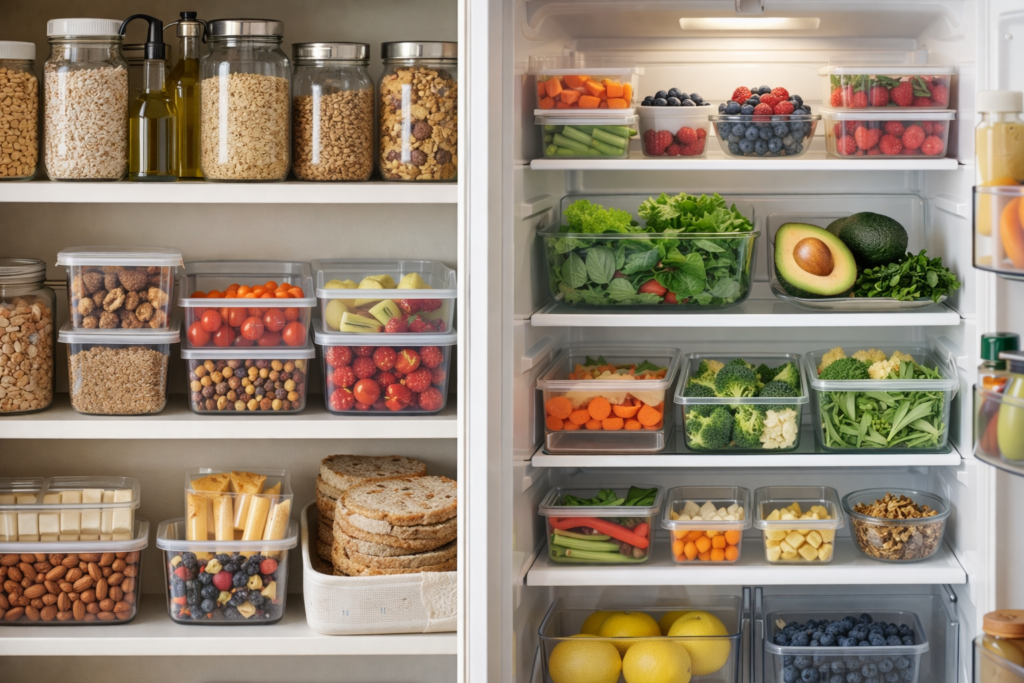
In the refrigerator, keeping vegetables washed, prepared, and visible encourages their regular use. Using smaller containers for snacks and leftovers also supports portion control. These simple organizational strategies reduce impulsive eating and help maintain consistency throughout the day.
Cooking Methods That Support Blood Sugar Control
How food is prepared is just as important as what foods are chosen. Cooking methods such as steaming, grilling, baking, and light sautéing preserve nutrients while limiting excess fat and sugar. These methods help maintain the nutritional quality of meals without sacrificing taste.
Avoiding deep frying and heavy sauces reduces unnecessary calories and helps prevent sudden blood sugar spikes. Choosing simpler cooking techniques makes everyday meal preparation healthier and more manageable.
Kitchen Tools That Make Diabetes Care Easier
The right kitchen tools can support daily diabetes management and reduce caregiver burden. Measuring cups and spoons help maintain portion control, while non-stick cookware allows for cooking with less oil. Clear storage containers improve food visibility and encourage healthier choices.
Appliances such as air fryers can also support diabetic-friendly cooking by reducing the need for excessive fats. These tools promote consistency and accuracy in meal preparation.
Caregiver Tips for Maintaining Consistency
Caregivers play an essential role in maintaining a diabetic-friendly kitchen. Planning meals in advance reduces reliance on last-minute, unhealthy options. Involving the patient in food selection and meal planning can increase cooperation and long-term adherence.
Flexibility is also important. Occasional treats or social meals can be managed without guilt by maintaining balance over time. Gradual changes are more sustainable than strict rules, especially in long-term diabetes care.
Safety Note
Dietary needs vary depending on individual health conditions, activity levels, and medical advice. A diabetic-friendly kitchen supports general diabetes care but does not replace personalized guidance from healthcare professionals. Always consult a qualified provider for individual dietary recommendations.
Conclusion: Building a Supportive Kitchen Environment
A diabetic-friendly kitchen creates a foundation for healthier daily habits and better blood sugar control. By stocking the right foods, organizing the space thoughtfully, and adopting supportive cooking methods, caregivers and patients can reduce stress and improve consistency in diabetes management.
With intentional and practical changes, the kitchen can become a safe and supportive environment that promotes long-term health and confidence at home.
FAQs
A diabetic-friendly kitchen is designed to support stable blood sugar levels through smart food choices, thoughtful organization, and healthy cooking practices. It prioritizes whole foods, limits processed and sugary items, and makes healthier options easy to see and access. The goal is to reduce daily dietary mistakes and support consistency rather than strict restriction.
Caregivers can support diabetes care by stocking appropriate foods, organizing the kitchen to encourage healthier choices, and planning meals in advance. Involving the patient in food selection and preparation also improves cooperation and long-term adherence. A well-organized kitchen reduces stress and simplifies daily caregiving routines.
A diabetic-friendly kitchen should regularly include whole grains, legumes, lean protein sources, fresh vegetables, and healthy fats in controlled amounts. These foods help maintain steady blood sugar levels and support balanced meals. Keeping these items consistently available makes healthy eating easier to maintain at home.
Sugary foods do not always need to be completely eliminated, but they should be limited and stored thoughtfully. Keeping them out of immediate reach and focusing on healthier alternatives helps reduce frequent consumption. Long-term consistency and balance are more important than complete restriction.
Kitchen organization influences food choices by guiding behavior. When healthy foods are visible and easy to access, they are more likely to be chosen. Using smaller containers, pre-portioning snacks, and organizing the pantry and refrigerator thoughtfully can help prevent overeating and sudden blood sugar spikes.
Special tools are not mandatory, but certain kitchen items can make diabetes management easier. Measuring cups, non-stick cookware, and clear storage containers help with portion control and healthier cooking. These tools support accuracy and consistency in daily meal preparation.
Yes, a diabetic-friendly kitchen benefits the entire household. The foods and cooking methods recommended for diabetes care also support heart health and overall well-being. Designing the kitchen around healthier choices encourages better eating habits for everyone, not just the patient.
No, a diabetic-friendly kitchen supports daily diabetes care but does not replace professional medical or dietary guidance. Individual needs vary, and patients should always follow advice provided by healthcare professionals. The kitchen setup serves as a supportive environment, not a treatment plan.
Consistency helps maintain stable blood sugar levels over time. Occasional deviations or treats can be managed when the overall routine supports healthy habits. A flexible, realistic approach is more sustainable than strict rules, especially for long-term diabetes management.